.png)
Understanding Different Types of Stressors: Emotional, Chemical, and Physiological
Stress is an inevitable part of life. It can be caused by a variety of factors and can significantly affect our overall health. In this blog post, we will introduce the three main types of stressors: emotional, chemical, and physiological. Each type has its unique influence on our well-being, and understanding them can help us manage stress more effectively.
Emotional Stressors
Emotional stressors arise from our feelings and thoughts. They may stem from relationships, work pressures, or life changes like moving to a new city or experiencing a breakup. Such stressors often trigger intense emotions that can take a toll on mental or physical well being.
For example, a study by the American Psychological Association found that chronic emotional stress is linked to anxiety disorders and depression. When an individual constantly faces emotional stressors, it can lead to overwhelming feelings of sadness and hopelessness. Emotional stress can also create many physical ailments from digestive issues, thyroid and hormone dysregulation and reproductive issues.

Chemical Stressors
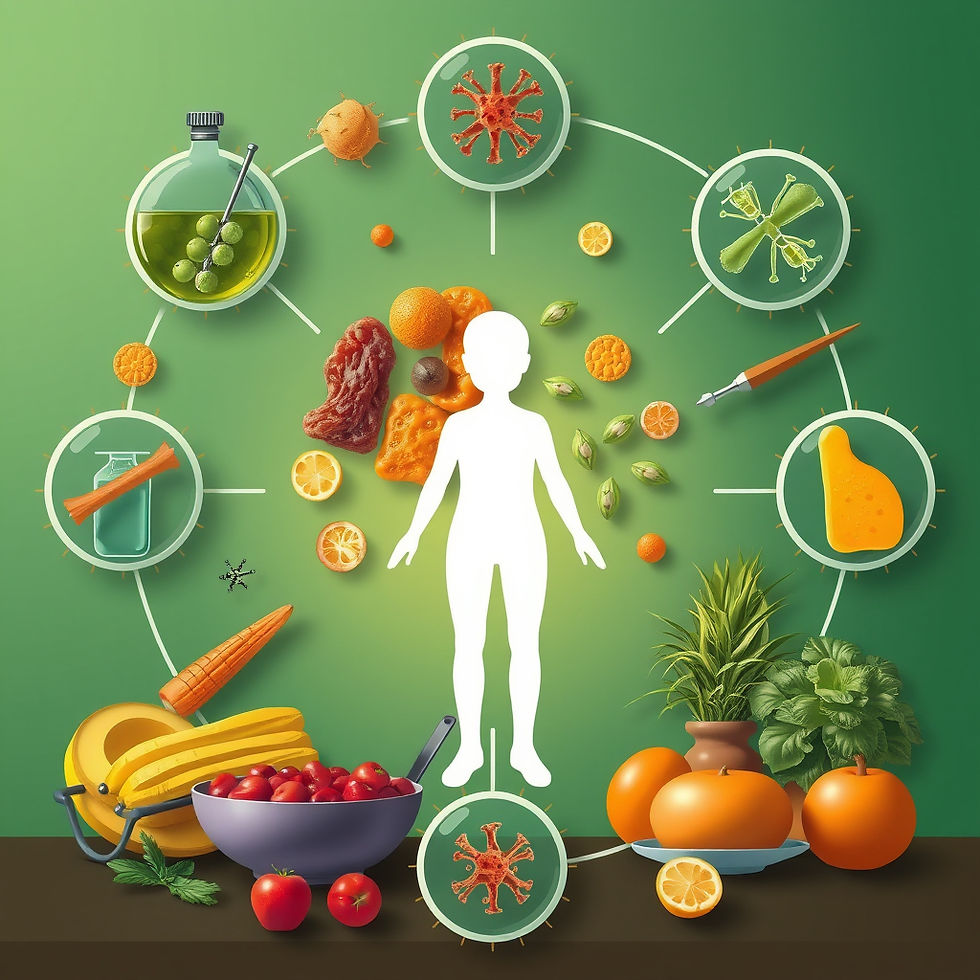
Chemical stressors are substances that can negatively impact our bodies, including pollutants, pesticides, and toxins from processed foods. Exposure to these chemicals can disturb normal physiological functions and lead to health issues. Another chemical stressor can be from healthful foods that the immune system views as a toxin or pathogen.
For instance, a vast body of research shows that air pollution is linked to increased rates of respiratory diseases and cardiovascular problems. It is estimated that outdoor air pollution alone leads to approximately 4.2 million premature deaths globally each year.

Physiological Stressors
Physiological stressors refer to physical conditions that can arise from injuries, illnesses, or even sleep deprivation. These stressors demand energy from the body to cope with the physical demand they create.
For instance, athletes often face physiological stressors during intense training or competition. According to the National Institute of Health, prolonged periods of physical stress can lead to fatigue and increased risk of injury.

To manage physiological stress, it's essential to prioritize self-care. Regular exercise, proper nutrition, and sufficient sleep can help mitigate the effects of physiological stressors on the body. Incorporating relaxation techniques like yoga and meditation can also improve physical stamina and emotional resilience.
The Impact of Stressors on Overall Health
Understanding these three types of stressors is crucial for recognizing their potential impact on overall health. Chronic exposure to any type of stress can lead to long-term health problems, including weakened immunity and increased susceptibility to illnesses.
For example, research indicates that individuals under prolonged stress may develop various health issues, such as hypertension, diabetes, and autoimmune diseases. Additionally, stress can impair digestion and reproductive health as well, leading to complications.
Final Thoughts
As we delve deeper into the world of stress, we encourage you to stay tuned for future posts where we will discuss how stress affects various aspects of health like digestion, hormones, reproduction, and immunity. Understanding different types of stressors is the first step. Knowledge is power. By identifying and managing your stressors, you pave the way for a healthier life ahead.
In the coming weeks, we will explore stress in detail. Your health matters, and together, we can navigate the complex relationship between stress and well-being.
Remember, it's essential not to ignore the signs your body is sending you. Learn more about maintaining a balanced life and how to cope with stress by subscribing to our blog for updates and helpful resources!